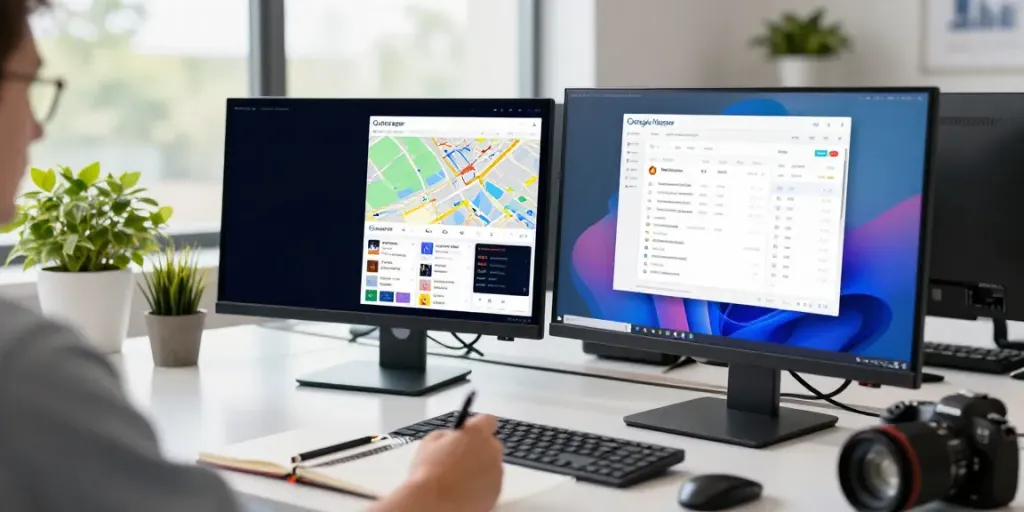
Understanding the Outscraper Google Maps Scraper
The need for accurate and timely data has become increasingly crucial for businesses aiming to stay competitive in today's fast-paced market. One powerful tool that facilitates this process is the Outscraper Google Maps Scraper. It enables users to extract valuable information from Google Maps, helping various industries tap into local insights, optimize marketing strategies, and enhance customer engagement.
What is Outscraper Google Maps Scraper?
The Outscraper Google Maps Scraper is a sophisticated tool designed to simplify the process of data extraction from Google Maps. Users can efficiently pull information about local businesses, including contact details, reviews, ratings, and more. With a user-friendly interface, this scraper allows even those without technical expertise to gather crucial data quickly.
Beyond just basic scraping, Outscraper provides advanced functionalities such as geolocation filtering, category-specific searches, and bulk data extraction. This means that businesses can obtain comprehensive datasets tailored to their specific needs, whether for market research, lead generation, or competitive analysis.
Key Features and Benefits
- Fast and Reliable Data Extraction: The Outscraper tool is designed to quickly gather large amounts of data from Google Maps, ensuring that users have real-time access to the information they need.
- User-Friendly Interface: With its intuitive design, even those with limited technical skills can navigate and utilize the tool effectively.
- Data Accuracy: Outscraper employs state-of-the-art techniques to ensure that the data extracted is both accurate and relevant, reducing the risk of misinformation.
- Customization Options: Users can customize their scraping process by selecting specific locations, business categories, and the type of information they wish to retrieve.
- Compliance with Legal Standards: Outscraper adheres to data protection regulations, making it a legitimate choice for businesses concerned about legalities.
Ideal Use Cases for Businesses
Businesses across various sectors can benefit from the Outscraper Google Maps Scraper. Here are a few ideal use cases:
- Local Marketing: Businesses aiming to reach local customers can scrape data to identify potential leads and understand market dynamics.
- Competitive Analysis: Companies can analyze competitors by gathering data on their reviews, ratings, and service offerings.
- Market Research: Organizations can collect insights on customer preferences and trends in specific geographical areas.
- Lead Generation: Sales teams can utilize extracted contact information to create targeted campaigns, enhancing conversion rates.
Common Mistakes Users Make
Despite its effectiveness, users often make certain mistakes when utilizing the Outscraper Google Maps Scraper, which can undermine their data collection efforts.
Inaccurate Data Extraction Techniques
One common pitfall is relying on vague or overly broad search parameters. Users may not customize their queries effectively, resulting in inaccurate data or excessive irrelevant information. For optimal results, it’s important to define specific criteria based on business needs.
Ignoring Privacy Regulations
As data privacy becomes a major concern, neglecting regulations such as GDPR can lead to legal repercussions. Users should familiarize themselves with local laws regarding data scraping and ensure compliance to avoid penalties.
Overlooking Data Validation
After data extraction, failure to validate and clean the data can lead to dealing with inaccuracies. Implementing a validation process to check the authenticity of the extracted data is essential for maintaining data integrity.
Best Practices for Effective Data Scraping
To maximize the benefits of the Outscraper Google Maps Scraper, following best practices is vital.
Step-by-Step Guide to Using Outscraper
- Define Objectives: Clearly outline what information you need and how it will be used.
- Set Up Your Account: Register on Outscraper’s platform and familiarize yourself with the dashboard.
- Customize Queries: Tailor your search parameters to target specific locations and business categories.
- Run the Scraper: Execute the scraping process and monitor for any errors or issues.
- Export Data: Once the data is collected, export it in a format that suits your analysis needs.
Tips for Data Accuracy and Compliance
- Regular Updates: Keep your data fresh by scheduling regular scraping sessions.
- Stay Informed: Keep abreast of updates in data privacy laws to ensure compliance.
- Use Filters: Utilize filtering options to improve data relevance and quality.
Keeping Your Data Updated
In today's fast-paced environment, it’s critical to maintain current data. Employing periodic scrapes and leveraging Outscraper's capabilities to capture dynamic changes ensures businesses can react swiftly to market shifts.
Real-World Applications of Outscraper Google Maps Scraper
The practical applications of the Outscraper Google Maps Scraper are numerous, with businesses across different sectors leveraging its capabilities to drive success.
Case Study: Local Business Success Stories
Take, for example, a local restaurant chain that used Outscraper to gather insights about nearby competitors. By analyzing their competitors’ customer reviews and ratings, this chain adjusted its menu and marketing strategies, leading to a significant increase in customer footfall.
Using Data for Competitive Analysis
Marketing teams can utilize the scraped data to benchmark their services against competitors. By evaluating customer feedback, they can pinpoint areas for improvement, ensuring they stay ahead in the industry.
Integrating with Marketing Strategies
Businesses can also integrate scraped data into their broader marketing strategies. For instance, a real estate firm can use local business data to segment its audience and tailor its outreach efforts, increasing relevancy and engagement.
Future Trends in Data Scraping for 2026 and Beyond
As we look ahead, several trends are set to shape the data scraping landscape, offering new opportunities for those utilizing tools like the Outscraper Google Maps Scraper.
Emerging Developments in Data Privacy
The ongoing evolution of data privacy laws will necessitate that businesses adapt their scraping practices. Companies that proactively engage with privacy standards will be better positioned to build trust with their customers.
Technological Advances in Scraping Tools
Future iterations of scraping tools are expected to incorporate more advanced features, such as enhanced AI capabilities for data analysis and intuitive interfaces that simplify the scraping process further.
The Role of Artificial Intelligence in Data Analysis
AI is poised to revolutionize the way data is processed and analyzed. By integrating AI into scraping tools, users can expect improved insights and predictive analytics derived from historical data patterns.
Is Outscraper Google Maps Scraper Legal?
The legality of data scraping hinges on various factors, including compliance with local laws and regulations. Outscraper operates within legal frameworks, ensuring users can leverage their tools without fear of legal repercussions.
Is Outscraper the Best Google Maps Scraper?
While several tools are available, Outscraper stands out due to its unique combination of speed, accuracy, and user-friendly features. It is consistently praised within the industry as a top choice for data extraction from Google Maps.
What should I know about Google Maps scraping?
Understanding the intricacies of Google Maps scraping can help users optimize their strategies. Familiarizing oneself with the functionalities of tools like Outscraper allows businesses to make informed decisions, harnessing the full potential of data at their disposal.
Can I scrape reviews from Google Maps?
Yes, one of the key capabilities of the Outscraper Google Maps Scraper is its ability to extract customer reviews. This feature is invaluable for businesses looking to enhance their services based on customer feedback.
What are the limitations of Google Maps scraping?
While powerful, there are limitations to be aware of, including restrictions on the volume of data that can be scraped at one time and the need to abide by Google’s terms of service. Understanding these constraints ensures that the scraping efforts remain effective and compliant.