Understanding Geophones: Basics and Beyond
Geophones are crucial instruments in the field of geophysics, converting ground vibrations into electrical signals for analysis. By being sensitive to minute changes in ground movement, they serve essential purposes in various applications, from earthquake detection to oil exploration. When exploring options, geophone technology stands out for its reliability and precision, making it a valuable asset in scientific studies and industrial applications alike.
What is a Geophone and How Does It Work?
A geophone is a type of seismic sensor that detects ground motion and transforms it into an electrical signal. This transformation happens through a simple mechanism: when the ground shakes, an internal mass moves relative to a stationary coil, generating a voltage that corresponds to the velocity of ground movement. This data can be recorded and analyzed to understand geological processes and detect seismic events.
Types of Geophones Used in Seismic Studies
There are several types of geophones, each designed for specific applications. The most common types include:
- Vertical Geophones: Primarily used for detecting vertical ground motion.
- Horizontal Geophones: Ideal for measuring horizontal movements, essential in oil and gas exploration.
- 3-Component Geophones: Measure movements in three directions, providing comprehensive data for seismic studies.
Additionally, advancements in MEMS (Micro-Electro-Mechanical Systems) technology are pushing the boundaries of geophone functionality, increasing sensitivity and reducing costs.
The Role of Geophones in Modern Geophysics
In the realm of geophysics, geophones are indispensable. They are employed in earthquake monitoring systems to detect and analyze seismic waves. Furthermore, their applications extend to fault mapping, subsurface resource exploration, and even archaeological studies. As technology evolves, the integration of geophones in data acquisition systems becomes increasingly sophisticated, ensuring reliable and rapid assessment of subsurface conditions.
Key Features and Functions of Geophones
Calibration and Sensitivity in Geophone Performance
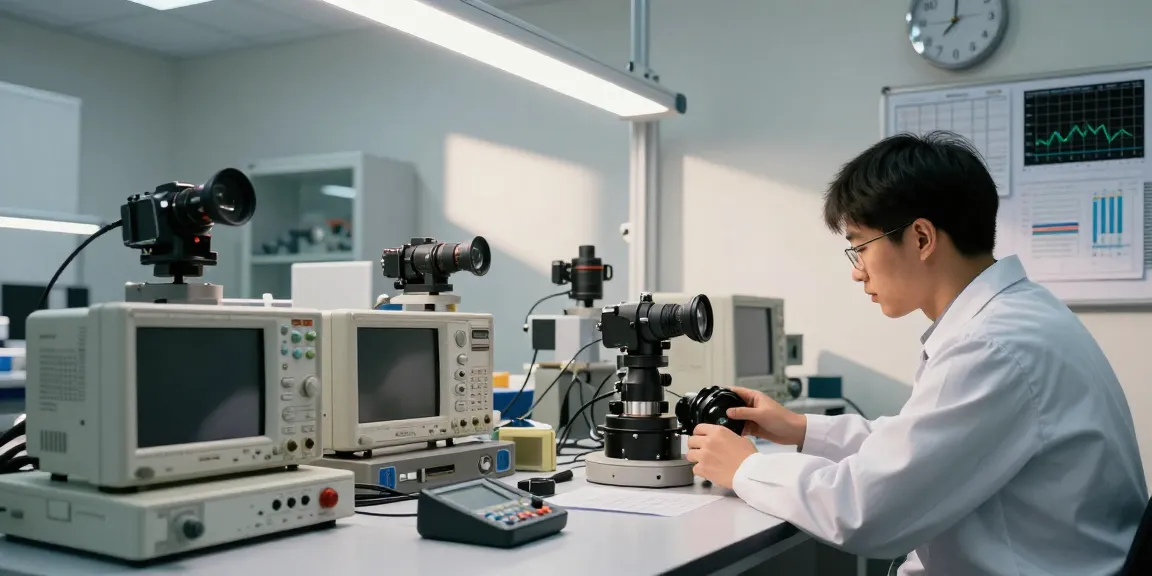
Calibration is essential for accurate geophone performance. Each geophone needs to be carefully calibrated to ensure that the data collected is precise. Sensitivity plays a crucial role as well; the ability of a geophone to detect small ground movements can significantly impact the quality of seismic data collected.
Comparison of Geophone Types: Analog vs. Digital
Geophones can be classified into analog and digital types. Analog geophones are simple devices that provide a continuous output signal proportional to the ground movement. In contrast, digital geophones utilize digital processing techniques, allowing for enhanced data analysis and interpretation. The choice between these types often depends on the specific requirements of the seismic survey.
Innovative Features Enhancing Geophone Utility
Modern geophones often incorporate advanced features like built-in data logging capabilities and wireless communication. These innovations enhance the functionality and efficiency of geophones, making them valuable tools for remote monitoring and data collection.
Common Applications of Geophones
Geophones in Earthquake Detection and Monitoring
Geophones are integral to earthquake detection systems. Their ability to pick up vibrations allows seismologists to monitor seismic activity in real-time, providing critical data that can lead to improved earthquake preparedness and response strategies. They form the backbone of many seismic networks worldwide.
Use in Oil and Gas Exploration
In the oil and gas industry, geophones are used to conduct seismic surveys that help identify potential drilling sites. By analyzing how seismic waves travel through different geological formations, geologists can infer the presence of oil and gas deposits. This process not only saves time but also optimizes resource extraction.
Benefits in Environmental Monitoring and Research
Geophones also play a vital role in environmental monitoring. They help track geological hazards, such as landslides, and assess the impact of human activities on geological stability. Researchers utilize geophones in various environmental studies to gather data on soil erosion, groundwater depletion, and more.
Challenges in Geophone Technology
Common Issues and Pitfalls in Geophone Usage
Despite their advantages, geophones face challenges, including susceptibility to noise and interference. Environmental factors, such as wind and traffic, can affect readings, leading to inaccurate data collection. Addressing these issues is crucial for ensuring the reliability of geophone data.
Mitigating Noise and Interference in Data Collection
To mitigate noise in geophone data, it is essential to design surveys carefully. Proper placement of geophones and the use of noise-cancellation techniques can significantly improve data quality. Additionally, advancements in signal processing help filter out unwanted noise from collected data, enhancing analysis outcomes.
Future Trends: Overcoming Technological Limitations
The future of geophone technology is promising, with ongoing research aimed at overcoming current limitations. Innovations in materials and design will enhance sensitivity and durability while reducing costs. Furthermore, integrating geophones with AI and machine learning can revolutionize data analysis, providing more accurate predictions and insights.
The Future of Geophone Innovation
Emerging Technologies Impacting Geophone Development
Emerging technologies, such as nanosensors and advanced materials, are set to impact geophone development significantly. These innovations promise to enhance sensitivity, miniaturize designs, and enable the development of smart geophones that can offer real-time data analysis.
2026 Predictions for Geophone Applications
By 2026, we anticipate that geophones will become more integrated with other sensing technologies, providing comprehensive data solutions. Improved software for data analysis will facilitate better decision-making for industries relying on geophysical data.
Adapting to Climate Change with Geophone Technology
As climate change continues to affect geological stability, geophones will play an essential role in monitoring shifts in the earth’s crust. Their ability to detect subtle changes will be crucial in assessing the impacts of climate-related events, enhancing our understanding of environmental changes.
What factors affect geophone performance?
Geophone performance can be affected by various factors, including the design of the sensor, calibration, and environmental conditions. Understanding these factors is essential for optimizing the effectiveness of geophones in various applications.
How do geophones differ from seismometers?
While both geophones and seismometers detect ground motion, seismometers are generally more advanced devices capable of recording a broader range of seismic waves and providing detailed analysis. Geophones are typically utilized for ground surveys where immediate data collection and analysis are needed.
What are the latest advancements in geophone technology?
Recent advancements include the development of low-power geophones designed for long-term monitoring, as well as enhanced digital processing capabilities that allow for real-time data analysis. These innovations are expanding the applications and effectiveness of geophones.
Where can I find high-quality geophones for my project?
High-quality geophones can be sourced from specialized suppliers, such as Seis Tech, which provides a range of geophysical instruments designed for various applications, ensuring compliance with industry standards and offering reasonable pricing.
How are geophones used in non-geophysical applications?
Beyond their traditional use in geophysics, geophones have found applications in various fields, such as art installations, where they capture vibrations for creative projects, and in security systems to detect unauthorized movements in sensitive areas.. Additionally, resistivity cable provides further details.