The Evolution of Mascot Costumes
In the vibrant world of marketing and entertainment, few elements capture attention like mascot costumes. From schools and sports teams to corporate branding, mascots have become synonymous with community spirit and brand identity. The evolution of these costumes reflects not only changes in design and technology but also shifts in cultural perceptions. As we delve into this rich history, we will uncover the remarkable transformation of mascot costumes, the latest trends in their design, and the technological innovations shaping their future. When exploring options, mascot costumes have emerged as vital tools for engagement across various sectors.
History of Mascot Costumes
The concept of mascots has roots in ancient history, where various cultures utilized animals and figures to symbolize traits such as strength and loyalty. However, the modern mascot as we know it began to take shape in the late 19th and early 20th centuries. The rise of collegiate sports in the U.S. prompted schools to adopt mascots as a way to foster school spirit and encourage team loyalty. Over the decades, iconic figures like the University of Oregon's "The Duck" and Penn State's "Nittany Lion" became synonymous with not just their institutions but also a growing trend in sports culture.
Throughout the 20th century, mascots evolved beyond colleges into professional sports and corporate branding. Companies began to recognize the value of mascot costumes as unique marketing tools. Characters such as the Philadelphia Phillies' "Philly Phanatic" or the San Diego Chicken contributed to this trend, showcasing how mascots could animate the consumer experience and create lasting emotional connections.
Modern Trends in Design
Today, the design of mascot costumes incorporates modern aesthetics and advanced materials, placing a premium on both appearance and comfort. Modern mascots are often characterized by their oversized heads and vibrant colors, which enhance visual appeal and allow for greater expressiveness during performances. Designers increasingly consider the experience of the performer, utilizing lightweight materials and breathable fabrics to ensure that mascots can engage with audiences for extended periods without sacrificing comfort.
Moreover, social media has influenced mascot design significantly. Brands strive to create costumes that are not just eye-catching in person but also photograph well, facilitating viral content creation. The integration of interactive elements, like LED lights and sound effects, helps mascots stand out at events, ensuring they grab attention both on-site and online.
Technological Innovations Enhancing Costumes
The integration of technology into mascot costumes represents one of the most exciting developments in recent years. Innovations such as augmented reality (AR) and animatronics are being explored to enhance the performer’s capabilities. AR can create interactive experiences by merging the real and digital worlds, allowing mascots to interact with audiences in captivating ways.
Furthermore, advancements in fabric technology have led to the development of moisture-wicking and temperature-regulating materials. These innovations help maintain the comfort of the performer, addressing one of the primary challenges in mascot performance—heat management. Such enhancements ensure that mascot performances remain dynamic and engaging, even in demanding environments.
Understanding the Appeal of Mascot Costumes
The appeal of mascot costumes lies in their ability to forge emotional connections with audiences. Whether at a sporting event, festival, or corporate gathering, mascots offer a unique blend of entertainment, engagement, and nostalgia that resonates across age groups and cultures.
Emotional Connections with Audiences
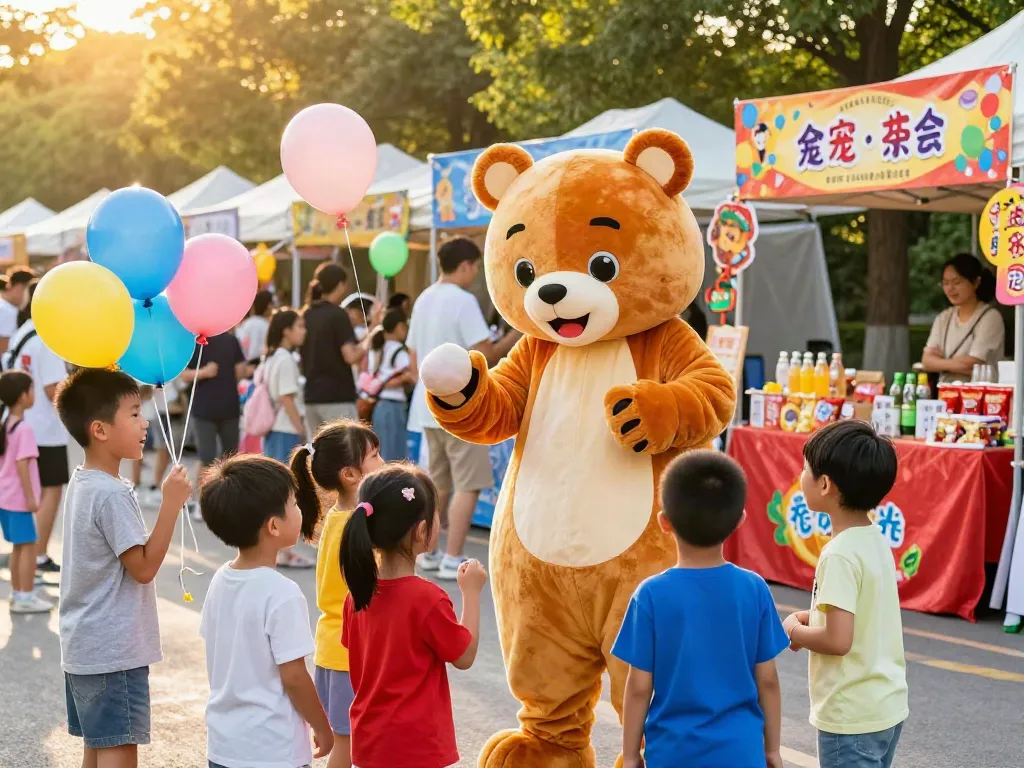
At their core, mascots evoke emotions. They often embody the spirit of a team, brand, or community, creating a sense of belonging and unity. For children, mascots represent fun and excitement, while adults may associate them with cherished memories of childhood events. This emotional connection can stimulate brand loyalty and foster long-term relationships between the audience and the mascot's associated entity.
Moreover, mascots can serve as icebreakers in social situations, making them highly effective at engaging audiences. This is particularly evident in schools and community events, where mascots can create an inclusive atmosphere, inviting people to participate and share in the excitement.
The Role of Mascots in Brand Identity
In the corporate world, mascots have become pivotal in developing a strong brand identity. They personify a brand's values and personality, often serving as the friendly face of the company. For example, characters like Kellogg's Tony the Tiger or the Geico Gecko have transcended advertising to become part of the cultural lexicon, enhancing brand recognition and recall.
Moreover, mascots are often utilized in marketing campaigns designed to resonate emotionally with consumers. Their relatable and approachable nature allows brands to humanize themselves, fostering a sense of trust and relatability that can ultimately lead to increased sales and customer loyalty.
Cultural Significance and Community Engagement
Beyond branding, mascots play a vital role in cultural events and community engagement. Many communities adopt mascots that symbolize their heritage or local pride, participating in parades, festivals, and charity events. These mascots become ambassadors of local customs and traditions, fostering community spirit and engagement.
In today's diverse society, inclusivity in mascot design has also gained importance. Many organizations strive to represent various cultures, traditions, and identities, ensuring that mascots reflect the communities they serve. This commitment to cultural representation helps strengthen community ties and promotes acceptance and understanding.
Choosing the Right Mascot Costume
Selecting the appropriate mascot costume is critical to ensuring success in its role. Various factors must be considered when making this choice, including the intended use, the audience, and the venue where the mascot will perform.
Factors to Consider for Different Events
Different events may require different types of mascots. For instance, a school sports event might call for a fun and whimsical character, while a corporate event might benefit from a more professional-looking mascot that reflects the brand's identity. Additionally, the size and layout of the event space can influence the design of the costume—larger costumes might be visually impactful in big venues, while more compact designs may work better in smaller settings.
Moreover, consider the demographics of the audience. Costumes intended for children should be approachable and friendly, while adult-focused mascots may need to convey a sense of sophistication or humor depending on the brand image and target market.
Custom vs. Pre-Made Costume Options
Organizations often face the choice between custom-designed mascots and pre-made options. Custom costumes can be tailored to fit a brand’s specific needs and personality, offering distinctiveness that sets it apart from competitors. However, they can be more costly and require longer lead times.
On the other hand, pre-made mascots can provide a more budget-friendly solution with quicker availability, making them suitable for companies with immediate needs or limited resources. When deciding between these options, weigh the long-term benefits of brand representation against the immediate availability and cost-effectiveness of off-the-shelf designs.
Maintaining Costume Quality and Longevity
Proper maintenance is crucial for extending the life of mascot costumes. Regular cleaning, repairs, and safe storage can prevent wear and tear, ensuring that costumes remain vibrant and visually appealing. Cleaning often involves gentle washing methods to avoid damaging the materials, while regular checks can help identify and address any damage before it becomes a more significant issue.
Moreover, consider professional servicing for repairs, especially for high-quality, custom-designed costumes that are more delicate. Proper care can significantly enhance the costume's longevity, keeping it in top shape for numerous events.
Effective Utilization of Mascot Costumes
To maximize the impact of mascot costumes, organizations should consider best practices around performance, audience engagement, and training for performers.
Best Practices for Performance and Engagement
The effectiveness of a mascot costume is directly tied to the performer's ability to engage with the audience. Effective performers should master various techniques to enhance interaction, such as making eye contact, using gestures, and adapting their energy based on the audience's response. Creating memorable moments through spontaneous interactions can lead to lasting impressions.
Moreover, using humor and playfulness can elevate the experience, making events more enjoyable for attendees. Performers should be trained to maintain character and engage with different audience demographics, ensuring inclusivity and connection across age groups.
Case Studies of Successful Mascot Marketing
Examining successful mascot marketing campaigns helps to underline best practices. One notable example is the "Chick-fil-A Cow" campaign, which utilized an engaging character to encourage cow-related puns and fun advertising. The campaign emphasized humor, which resonated with consumers and led to an increase in brand recognition and sales.
Another successful case is the "Geico Gecko," which has consistently appeared in humorous ads, helping to reinforce Geico's brand identity as approachable and friendly. These case studies illustrate the effectiveness of mascots in conveying brand messages and engaging audiences in meaningful ways.
Training Performers for Maximum Impact
Training is vital for performers who inhabit mascot costumes. They should be taught not only to engage with audiences but also to manage the physical demands of the costume, including understanding its limitations for movement and visibility. Specific training sessions can focus on improvisation skills, so performers can adapt to varying audience dynamics effectively.
Moreover, rehearsing key routines and interactions can build confidence for the performer, ensuring that they deliver a captivating experience during events. Effective training ultimately leads to more successful engagements and a greater appreciation for the mascot's presence.
Future Trends: What’s Next for Mascot Costumes?
As we look toward 2026 and beyond, several key trends are shaping the future of mascot costumes. The ongoing evolution of design, materials, and technology promises exciting developments in this vibrant sector.
Emerging Designs and Concepts for 2026
The designs of mascot costumes are likely to become even more innovative, with a focus on sleek, modern aesthetics that cater to younger audiences. Brands may prioritize minimalistic designs that emphasize brand logos and colors while integrating recognizable features to create memorable characters.
Additionally, there may be a trend toward customizable costumes that allow brands to swap out interchangeable elements, such as hats or accessories, making it easier to adapt a mascot for different themes or events without investing in entirely new costumes.
Sustainable Practices in Costume Manufacturing
With increasing awareness around sustainability, manufacturers are likely to adopt eco-friendly practices in costume production. This could include using recyclable materials, reducing waste during the manufacturing process, and offering sustainable costume options. Emphasizing environmental consciousness can resonate with consumers and enhance a brand’s reputation.
The Impact of Virtual and Augmented Reality
The influence of technology will likely continue to reshape mascot performances. With the rise of virtual reality (VR) and augmented reality (AR), mascots can potentially engage with audiences in entirely new ways. Interactive experiences that utilize AR can enhance live events, allowing audiences to see mascots come to life in digital forms, creating a unique blend of entertainment and technology.
Where Can You Source Quality Mascot Costumes?
For organizations looking to invest in quality mascot costumes, several reputable companies specialize in custom and pre-made designs. Researching options and reading reviews can help find reliable sources. Consider reaching out to providers who offer a range of designs and materials to suit specific needs, ensuring the costume aligns with the intended message or branding.
What Are the Benefits of Using a Mascot?
The benefits of using a mascot extend beyond entertainment. Mascots can enhance audience engagement, promote brand recognition, and foster emotional connections with diverse demographics. They serve as visual representations of brand values, delivering messages in a way that transcends language barriers and resonates with consumers on a personal level.
How Much Do Mascot Costumes Typically Cost?
The cost of mascot costumes can vary widely based on design complexity, materials used, and whether the costume is custom-made or pre-fabricated. On average, organizations can expect to invest anywhere from a few hundred to several thousand dollars for quality options. Evaluating budget constraints while considering potential returns on investment is essential for making an informed decision.
What Are the Maintenance Tips for Mascot Costumes?
Ensuring proper maintenance of mascot costumes is crucial for longevity. Following care instructions specific to the materials, conducting regular inspections, and performing repairs promptly can preserve the costume's condition. Storing costumes in a cool, dry place and using breathable garment bags can prevent damage when not in use.
Can Mascot Costumes Be Custom Designed?
Yes, many manufacturers offer custom design services that allow organizations to create unique mascots tailored to their specific branding and performance needs. Custom costumes can include unique features, colors, and character traits that align perfectly with the organization’s identity.
Are There Special Considerations for Kids' Mascots?
When designing mascots for children's events, special considerations should be made regarding safety and approachability. Costumes should be designed to be lightweight and comfortable, ensuring that they do not pose any risks for young audiences. Additionally, friendly character design that appeals to children is essential for creating positive associations with the brand or event.